
Oplon Secure Access 12.3.0

Oplon Secure Access 12.3.0 introduces enhancements designed to make remote access management even more efficient, secure, and simple. The new release offers improved Remote Desktop session quality thanks to Sharp Mode, more advanced password rotation control with the new Password Rotation Test Runner, and the ability to create Temporary Connections to quickly address issues on systems not yet registered on the platform. This update was made possible in part by valuable feedback from customers and partners, whose input continues to guide the solution’s evolution.
DDoS, Click Day, and Application Outages: Access Control and Dual Queuing for Enhanced System Resilience

Click Days are no longer about attacks, but synchronized legitimate demand that can collapse systems. Traditional WAFs fail: they protect the network, not backend capacity. Resilience requires managing real application capacity under extreme load.
The New Paradigm for Accessing IT Resources
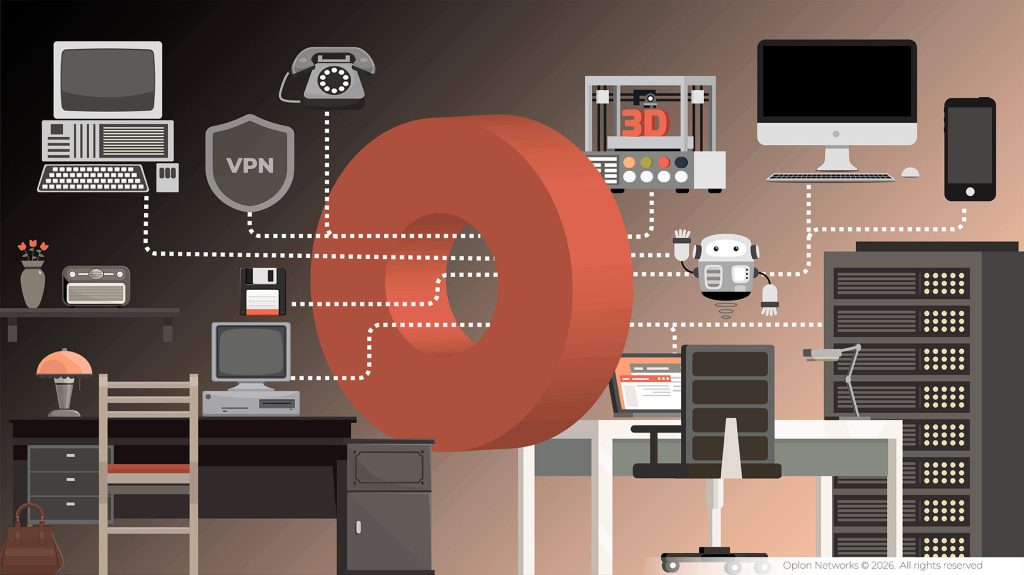
Oplon Trusted Connections introduces a new approach to enterprise connectivity: connecting people to resources, not to networks. By integrating modern security with existing infrastructure, it enables secure HTTPS access without exposing the entire network, overcoming the limitations of traditional VPNs. Thanks to an intelligent application layer and the use of isolated containers, it provides granular control, compatibility with legacy systems, and integration with corporate DHCP and DNS. The result is a hybrid model that combines Zero Trust with classic networking, improving security, visibility, and management without disrupting existing operations.
Protection of Trade Secrets

The protection of trade secrets, such as know-how and strategies, is governed by EU Directive 2016/943 and the Industrial Property Code. To be protected, they must be secret, have economic value, and be adequately safeguarded through concrete measures. Formal confidentiality is not enough: demonstrable technical and organizational controls (e.g., access controls, encryption, tracking) are required, in line with GDPR and NIS2. Case law requires actual evidence of the security measures adopted: in the absence of such evidence, protection is denied. The focus therefore shifts from the theft of data to the ability to demonstrate the protection implemented.
VPN: The perfect solution or a loose cannon?
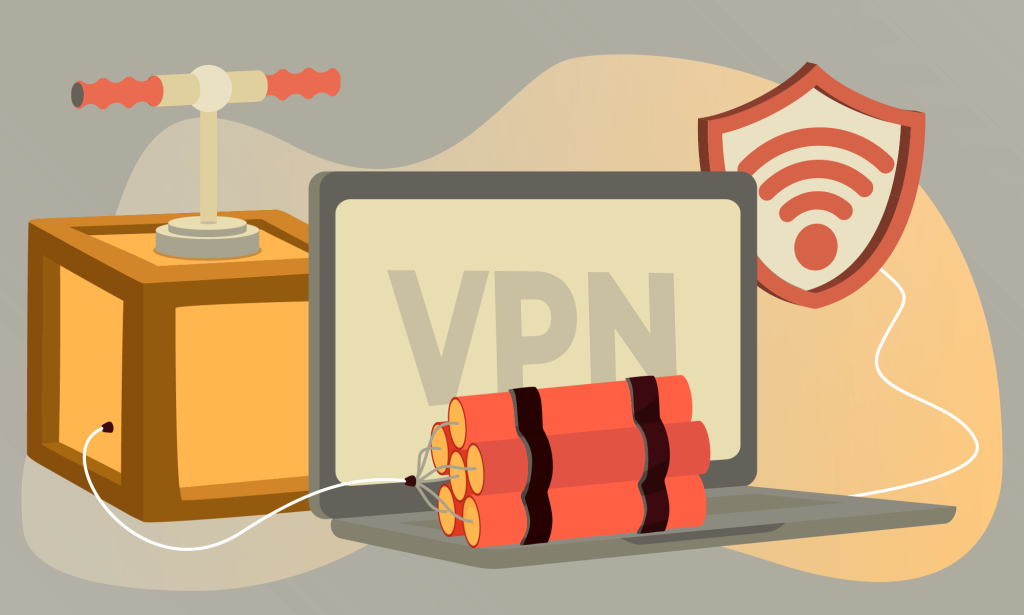
VPNs (Virtual Private Networks) are often hailed as essential tools for online security and anonymity, but are they really the perfect solution? In this article, we delve into the hidden risks and realities of VPN usage. From exposing corporate data to potential ransomware attacks, to the illusion of anonymity while browsing, the truth may surprise you. Discover the alternative technologies that can provide safer connections without the pitfalls of traditional VPNs. Join us as we explore the complexities of VPNs and what you need to know to protect your online presence effectively.
Human Centered Design e Design Thinking per Oplon Secure Access

Human-Centered Design (HCD) and Design Thinking are pivotal in creating products that truly resonate with users. By placing the end user at the heart of the design process, we can uncover their needs and preferences, leading to innovative solutions. At Oplon Networks, we leverage these principles in developing Oplon Secure Access, ensuring a seamless and intuitive user experience. Discover how methodologies like User Personas, Root Cause Analysis, and the iterative process of Pretotyping and Prototyping can transform your approach to design and enhance usability in an increasingly digital world. Dive into our insights and elevate your design strategy!
From BYOD to PYOD: Protect Your Own Device

BYOD in smart working poses security and privacy issues, making employees feel controlled, challenging the balance between compliance (GDPR) and personal freedom. The Oplon PYOD (Protect Your Own Device) solution overcomes this by ensuring security and separation between private and corporate life using only the browser, eliminating intrusive agents.
Why do IT organizations continue to use dangerous and expensive VPNs?

In a world where hybrid work is the norm, many IT organizations find themselves burdened by outdated and vulnerable VPN solutions. Despite the risks and costs associated with these legacy systems, the question remains: why do they persist? Discover how Oplon Secure Access (OSA) offers a streamlined, secure alternative that simplifies user onboarding and reduces operational overhead. With OSA, organizations can enhance security while improving user experience, all without the headaches of traditional VPNs. Join us as we explore the future of secure remote access and why making the switch is a “no-brainer.”